
 Shop
Shop Contact Us
 blogs
blogsDog Front Carrier: The Easy, Close-to-You Way to Travel With Your Pup
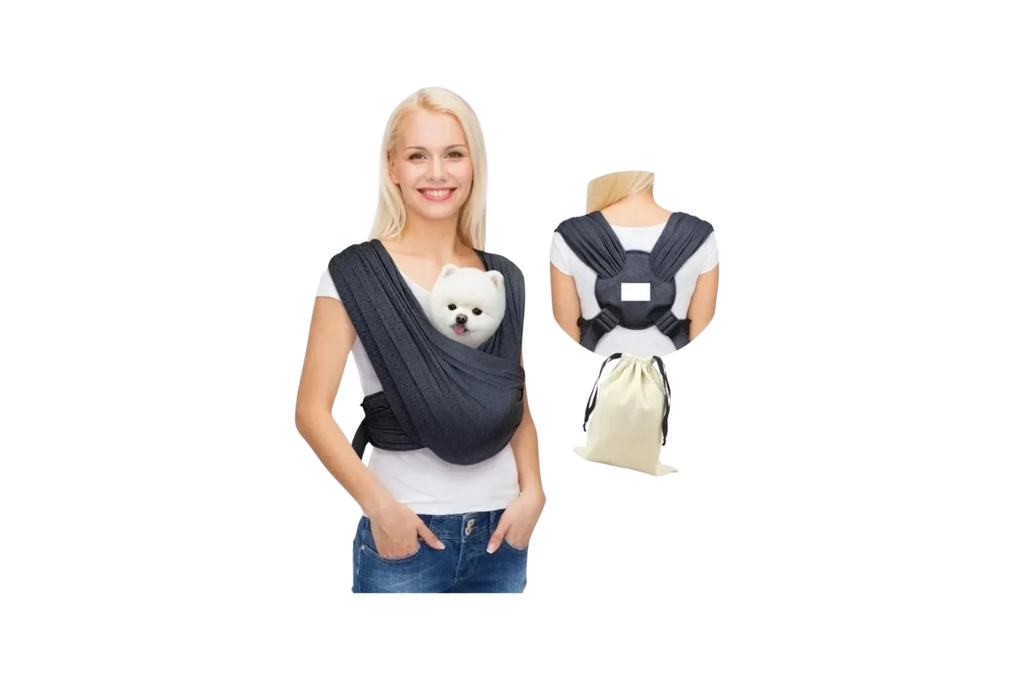
A dog front carrier is one of those things you don’t realize you need until you’ve had a hectic day out with a small dog. Maybe your pup starts strong, then suddenly decides the sidewalk is lava. Or they get nervous in crowds and want to be held the entire time. A front carrier solves that without turning you into a one-arm lifter for an hour. Your dog stays close, you keep your hands free, and you can actually move like a normal person again. The big bonus is visibility, you can check your dog’s comfort in seconds. If your dog is clingy, shy, older, or simply tiny, a dog front carrier often feels more secure than a bag or back option. It’s practical, but it also feels like a calmer way to do everyday life together.
Dog Front Carrier Benefits: Why Front Carrying Feels More Natural
The reason a dog front carrier works so well is simple: closeness lowers stress for a lot of dogs. When your pup is up near your chest, they can see what’s happening and feel your movement, which is reassuring. It’s also easier for you to notice small things, like if your dog is shifting, getting warm, or feeling uneasy. A front facing dog carrier can be especially helpful for anxious dogs because they aren’t down at foot level where everything feels loud and chaotic. For pet parents, front carrying often feels safer in tight places like markets, elevators, or public transport. And if your dog is in that “I want to walk but only for five minutes” phase, it’s a smooth backup plan. Over time, many dogs treat the carrier like their own little safe zone. That’s why a front dog carrier becomes a daily tool, not just a travel accessory.
Front Dog Carrier vs Backpack Styles: Which One Actually Fits Your Routine?
A front dog carrier usually wins for short outings, quick errands, and situations where you want your dog in view. You can soothe them, talk to them, and adjust their position easily. Backpack carriers are great too, but they’re often better for long hikes or heavier dogs because the weight sits differently. If you’re choosing between styles, ask yourself what your day looks like most often. Are you doing quick trips, crowded places, or short walks where your dog might get tired? Front carry is usually the answer. If you’re planning longer outdoor adventures, a dog carrier backpack front option (or convertible style) might give you more flexibility. Either way, comfort comes down to fit, support, and airflow. The “best” carrier is the one your dog tolerates happily and you’ll actually use.
Getting the Fit Right: The Small Detail That Changes Everything
Fit is what makes a carrier comfortable or annoying, for both you and your dog. A small dog front carrier should hold your pup close enough that they feel stable, not like they’re swinging. But it also shouldn’t squeeze them or push their legs into awkward angles. Measure your dog’s weight and chest size instead of guessing from breed, because two dogs can look similar but fit totally differently. Adjustable straps are non-negotiable, especially if more than one person will wear it. You want your dog sitting high and close to your body, with good support under their chest and belly. If the carrier has a waist strap, use it, it helps balance the weight so your shoulders don’t do all the work. Once the fit is right, most dogs settle faster. And once your dog settles, the whole experience feels easy.
Dog Carrier Front Pack Comfort: What Your Dog Needs to Feel Secure
A good dog carrier front pack should feel supportive, not floppy. Your dog shouldn’t be “dangling” or hanging by their body weight, because that gets uncomfortable quickly. Look for a design that supports the bottom so your dog can sit naturally. Breathable materials matter more than people expect, especially if you live somewhere warm or you’ll be indoors a lot. The inside should feel smooth so it doesn’t rub your dog’s fur or skin. Safety features like a leash clip inside help a lot for dogs that suddenly get excited. And for you, padded straps make carrying feel lighter because pressure points are what cause discomfort first. If your carrier feels steady and balanced, your dog will trust it more. Comfort isn’t just a “nice extra,” it’s what makes the carrier usable day after day.
Features That Make a Front Dog Carrier Worth Buying
If you’re comparing carriers, focus on details that improve real-life use, not just how it looks online. The best features are the ones you notice after 10 minutes of wearing it (and after your dog has moved around a bit). Here are the practical features most pet parents end up loving:
- Padded shoulder straps that don’t dig in
- Breathable mesh panels for airflow
- A secure internal leash clip
- A wide, supportive base for your dog
- Adjustable straps to fit different body types
- Easy-to-clean fabric for everyday mess
How to Wear a Front Carrying Dog Backpack Without Feeling Stiff
A front carrying dog backpack should feel stable and close to your center, if it’s too low or loose, your back will complain quickly. Start by adjusting the shoulder straps so the carrier sits high on your torso. Then tighten the waist strap (if included) so the weight spreads out instead of pulling down from your shoulders. Your dog should sit upright, with their head clear and enough space to breathe comfortably. If your dog is leaning too far back or sideways, stop and adjust, don’t “hope it fixes itself.” For first-time use, practice at home for a few minutes rather than testing it for the first time outdoors. Once you find the sweet spot, wearing it becomes surprisingly comfortable. A good setup should feel like your dog is “hugged in,” not bouncing around.
- Keep your dog high and close to your body
- Tighten straps so there’s no swinging
- Use the waist strap to reduce shoulder strain
- Check your dog’s position after a minute or two
- Take breaks in warm weather
When a Front Facing Dog Carrier Is the Best Choice
Some dogs are perfect candidates for front carry, and it’s not only about size. Older dogs that tire quickly often do better with short walks plus carry breaks. Puppies can also benefit because they’re still building confidence in noisy places. Nervous dogs tend to relax more when they’re close to you and can see your face. A front facing dog carrier is also ideal for places where walking isn’t practical on busy streets, public transport, crowded markets, or even quick indoor errands. If your dog gets reactive when people get too close, front carry gives you more control over distance and movement. And for dogs that love being close, it just feels natural. In everyday life, this is where a front dog carrier really shines: calm, controlled, and comfortable.
Quick Safety Check Before You Head Out
These checks are fast, but they prevent most issues. Make them a habit, especially if your dog is new to carriers or you’re heading into a busy place:
- Confirm your dog is within the weight limit
- Make sure straps are snug and balanced
- Keep your dog’s face clear for easy breathing
- Clip the internal leash attachment if available
- Watch for heat build-up (especially indoors)
- If your dog seems stressed, pause and reset
Dog Carrier Backpack Front-Facing: Why This Style Is Trending
A dog carrier backpack front-facing style has become popular because it combines two things most owners want: hands-free carrying and constant visibility. Your dog stays close and supported, and you don’t have to guess whether they’re comfortable. It’s also easier to reassure nervous dogs because they can see you and you can talk to them calmly. Many pet parents prefer this for travel days, crowded places, and situations where the dog would rather be carried than walk. The best designs keep the dog’s body supported with a stable base and breathable panels. If you’re choosing one, prioritize comfort first both for your dog’s posture and your own shoulders. A carrier that looks nice but feels unstable won’t get used. When it’s comfortable, it becomes part of your routine fast.
A Quick Note About Pet Zela
If you’re looking for a carrier that feels secure, comfortable, and practical for real outings, Pet Zela focuses on pet essentials designed for everyday use and travel comfort. Our Online-Shop selection aims to keep things simple: supportive designs, breathable materials, and adjustable fits that work for small dogs and front-carry needs. The goal is a carrier you’ll actually reach for when you’re heading out, not something that stays in a closet. When the fit is right, dogs settle in faster and owners feel more confident. A good carrier should support your dog’s body, keep them close, and feel stable while you move. That’s the difference between “I tried it once” and “I use it all the time.” And for many pet parents, that’s what makes the purchase worth it.
Conclusion:
A dog front carrier is worth it if your dog gets tired quickly, feels anxious in crowds, or simply prefers staying close. It keeps your pup secure, gives you better control, and makes outings easier without needing to pick your dog up constantly. The best results come from choosing the right fit and wearing it properly so your dog feels supported. If you want visibility and bonding, front carry is hard to beat. And if you prefer a flexible option, a dog carrier backpack front-facing style can give you that front-carry comfort with wearable support. Keep your routine simple, pay attention to airflow and posture, and your dog will usually adjust quickly. When it’s comfortable, it becomes a daily-life tool—not just a travel accessory. That’s the real win.
What’s the best dog front carrier size for my dog?
Use your dog’s weight and chest measurement, then match it to the sizing chart. If your dog is between sizes, choose the option that provides better base support and adjustability.
Can I use a front dog carrier for puppies?
Yes, as long as the carrier supports them properly and doesn’t restrict breathing. Keep sessions short at first and build comfort slowly.
Is a dog carrier front pack okay for longer walks?
It can be, especially if it has padded straps and a waist strap for support. If you plan to carry for a long time, comfort features matter a lot.
What’s the difference between a front facing dog carrier and a backpack carrier?
Front carriers keep your dog in view and close to your chest, which often calms anxious dogs. Backpack carriers usually distribute weight better for longer hikes and bigger dogs.
How do I get my dog used to a dog carrier backpack front-facing style?
Start at home, keep it short, reward calm behavior, and increase time gradually. Most dogs accept it faster when the experience feels relaxed and positive.


